


Why Regular Dental Checkups Are More Important Than Ever

When did you last sit in a dentist's chair? Has it been six months, a year, or perhaps even longer? And here's the real question—are you putting off that appointment because you think your teeth feel fine?
You're definitely not alone. Many Australians skip their regular dental checkups, often assuming that if nothing hurts, everything must be okay. But here's the thing: oral health has never been more connected to our overall well-being than we now understand. Research continues to reveal fascinating links between what's happening in your mouth and what's going on in the rest of your body. From heart disease to diabetes, your dentist might spot warning signs before your GP does.
In this post, we'll break down exactly what happens during a routine dental visit and why these appointments matter more than you might think. We'll look at how often you should really be going, what happens when you don't, and how to overcome those common barriers that keep so many of us away. Whether you're a nervous patient, worried about costs, or simply can't find the time, there's something here for you. Let's get into it.
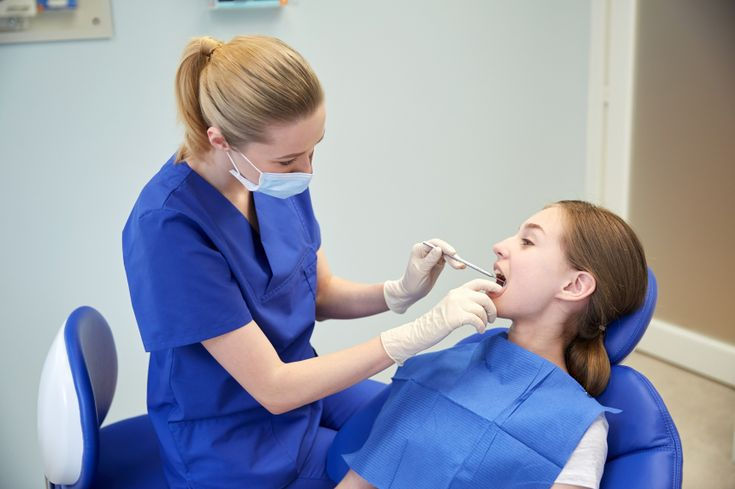
What Happens During a Routine Dental Checkup?
Professional Cleaning and Plaque Removal
Even the most dedicated brushers and flossers can't reach every nook and cranny in their mouths. That's where professional cleaning comes in. Your dental hygienist uses specialised tools to remove hardened plaque (called tartar) that your toothbrush simply can't budge.
This deep clean reaches below the gum line and between teeth where bacteria love to hide. The polish afterwards isn't just for that fresh feeling—it actually smooths your tooth surfaces, making it harder for plaque to stick in the future. Think of it as a reset button for your oral hygiene routine.
Comprehensive Oral Examination
After your cleaning, your dentist conducts a thorough examination of your entire mouth. This isn't just a quick glance at your teeth. They're checking your gums, tongue, cheeks, and throat for any signs of trouble.
Your dentist looks for early signs of decay, gum disease, and even oral cancer. They'll assess existing fillings and crowns to make sure they're still doing their job. This comprehensive check means problems get caught when they're small and manageable—not when they've become painful emergencies.
X-Rays and Early Detection Technology
Modern dental practices use advanced technology to see what's invisible to the naked eye. X-rays reveal decay hiding between teeth, infections at tooth roots, and bone loss that might indicate gum disease.
Many Australian practices now use digital X-rays, which expose you to far less radiation than traditional methods. Some dentists also use intraoral cameras, giving you a close-up view of what's happening in your mouth. This technology transforms early detection, often catching issues years before they'd cause symptoms.
Why Are Dental Checkups So Important?
Catching Problems Before They Become Painful
Here's something many people don't realise: by the time a tooth hurts, the problem is usually quite advanced. Cavities in their early stages don't cause any pain at all. Neither does the beginning of gum disease.
Regular checkups mean your dentist catches these issues when they're still minor. A small filling is quicker, cheaper, and far less invasive than a root canal. Early gum disease can be reversed with improved cleaning habits, but advanced gum disease can lead to tooth loss. Prevention really is better than a cure.
The Link Between Oral Health and Overall Well-being
The connection between your mouth and body goes far deeper than most people realise. Gum disease has been linked to heart disease, stroke, and diabetes complications. Bacteria from infected gums can enter your bloodstream and travel throughout your body.
Pregnant women with gum disease face higher risks of premature birth and low birth weight babies. For people with diabetes, poor oral health makes blood sugar harder to control. Your mouth truly is a window to your overall health, and your dentist is watching closely.
Preventing Costly Emergency Dental Treatments
Nobody budgets for a dental emergency, but they happen more often than you'd think. A cracked tooth, sudden abscess, or severe decay can strike without warning—and emergency treatment costs significantly more than preventive care.
Regular checkups are genuinely an investment. The Australian Dental Association notes that preventive care costs a fraction of emergency treatment. Plus, you avoid the pain, stress, and disruption that dental emergencies bring to your life.

How Often Should You Really Visit the Dentist?
General Guidelines for Adults and Children
The traditional advice of visiting every six months works well for most people. This schedule allows your dentist to monitor changes and catch problems early. For children, regular visits from around age one help establish good habits and catch developmental issues.
However, your ideal schedule might differ. Some people with excellent oral health can safely extend to annual visits. Others need more frequent attention. Your dentist will recommend a schedule based on your individual needs.
Factors That May Require More Frequent Visits
Certain conditions mean you'll benefit from visiting more often. Smokers face higher risks of gum disease and oral cancer, so more frequent monitoring makes sense. People with diabetes, a history of gum disease, or weakened immune systems also need closer attention.
Pregnant women should prioritise dental visits, as hormonal changes increase gum disease risk. If you're undergoing orthodontic treatment or have a lot of dental work, your dentist might want to see you every three to four months.
Your Smile Is Worth the Investment
Throughout this post, we've seen just how much happens during a simple dental checkup—and why these appointments matter more than ever. From catching decay before it causes pain to spotting signs of serious health conditions, your dentist does far more than just look at your teeth.
The links between oral health and overall well-being continue to strengthen as research progresses. What happens in your mouth doesn't stay in your mouth. Gum disease, untreated decay, and oral infections can affect your heart, your blood sugar, and your quality of life in ways we're only beginning to fully understand.
So here's my challenge to you: if you've been putting off that dental appointment, pick up the phone today. Your future self—the one without toothache, without expensive emergency treatment, without preventable health complications—will thank you. Your smile is genuinely worth the investment, and regular checkups are the simplest way to protect it.


Comments