

Traffic Management Course: Everything You Need to Know

Have you ever wondered what keeps road workers safe while they repair highways? Or perhaps you've noticed those workers in high-vis gear directing vehicles around construction sites and thought about what training they've completed? Maybe you're considering a career change and traffic management has caught your eye?
If any of these questions resonate with you, you're in the right place. Traffic management is a critical field that keeps Australian roads safe for workers and the public alike. Whether it's a bustling construction site in Sydney or roadworks on a quiet country highway in Queensland, trained traffic management professionals ensure everything runs smoothly and safely.
In this guide, we'll explore everything you need to know about traffic management courses in Australia. From understanding what these courses involve to career opportunities and salary expectations, we've got you covered. You'll learn about the different types of qualifications available, what to expect during training, and how to choose the right provider. Let's get stuck into it.
What Is a Traffic Management Course?
Understanding Traffic Control and Its Role in Workplace Safety
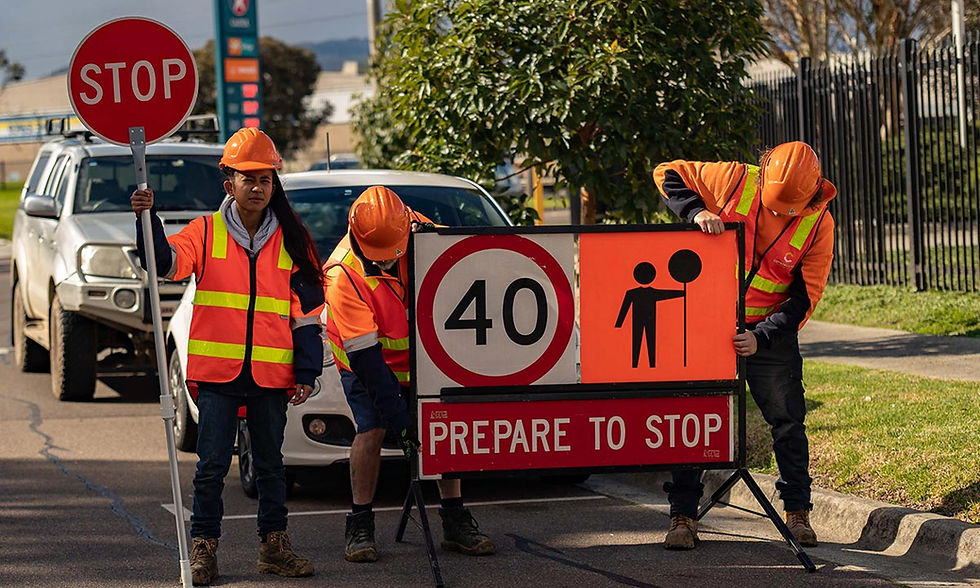
A traffic management course provides participants with the knowledge and practical skills needed to control vehicle and pedestrian movement around worksites. These courses are essential for maintaining safety on Australian roads, particularly where construction, maintenance, or emergency works are taking place.
Traffic control plays a vital role in workplace safety. Without properly trained personnel, the risk of accidents increases dramatically. Workers, motorists, and pedestrians all rely on effective traffic management to navigate hazards safely.
The Difference Between Traffic Controllers and Traffic Management Designers
It's worth noting that traffic controllers and traffic management designers have different responsibilities. Traffic controllers work on-site, physically directing traffic using signs, paddles, and barriers. Traffic management designers, on the other hand, create the detailed plans that controllers follow. Both roles require specific training, but the courses and skill sets differ significantly.
Who Needs to Complete a Traffic Management Course?
Industries That Require Traffic Management Certification
Multiple industries across Australia require workers with traffic management certification. Construction is the most obvious, but it doesn't stop there. Utility companies, event management organisations, local councils, and transport companies all need trained traffic management professionals.
Road maintenance crews, telecommunications workers laying cables, and even film crews shooting on location often require traffic management support. The demand spans urban and regional areas throughout every Australian state and territory.
Is Traffic Management Training Mandatory in Australia?
Yes, traffic management training is mandatory for anyone directing traffic or implementing traffic management plans on Australian worksites. Each state and territory has specific requirements, but nationally recognised qualifications are accepted across the country. Working without proper certification can result in hefty fines for both individuals and employers.
Types of Traffic Management Courses Available
Traffic Controller (TC) Course
The Traffic Controller course is the entry-level qualification for anyone wanting to work in this field. It covers the basics of directing traffic, using stop-slow bats, setting up signage, and understanding worksite safety requirements. This is where most people begin their traffic management journey.
Implement Traffic Management Plans Course
This course takes things a step further. Participants learn how to read, interpret, and implement traffic management plans (TMPs) designed by qualified professionals. It's ideal for those wanting to take on more responsibility and supervise traffic control operations.
Traffic Management Design Course
For those interested in creating traffic management plans, this advanced course is essential. It covers Australian standards, risk assessment, and detailed planning for complex traffic scenarios. Designers need a thorough understanding of regulations across different jurisdictions.
Refresher and Re-certification Courses
Traffic management certifications don't last forever. Most states require renewal every three years. Refresher courses keep your skills current and ensure you're up to date with any changes in regulations or best practices.
What Do You Learn in a Traffic Management Course?
Core Modules and Practical Skills
Traffic management courses combine theoretical learning with hands-on practical training. You'll learn how to set up and maintain traffic control equipment, communicate effectively with road users, and respond to emergencies on-site.
Practical assessments typically include demonstrating proper use of stop-slow bats, positioning signage correctly, and working as part of a traffic control team. These skills are tested in simulated worksite environments.
Understanding Australian Standards and State Regulations
A significant portion of training focuses on Australian standards, particularly AS 1742.3, which governs traffic control devices. You'll also learn about state-specific regulations, as requirements can vary between jurisdictions. This knowledge ensures you can work compliantly anywhere in Australia.
How Long Does a Traffic Management Course Take?
Course Duration by Qualification Level
Course length depends on the qualification you're pursuing. A basic Traffic Controller course typically runs for one to two days. Implement Traffic Management Plans courses usually take two to three days. Design courses are longer, often spanning several days to a week. Choosing the right traffic management course depends on the skills and qualification required for your intended role.
Online vs Face-to-Face Training Options
Some theoretical components can be completed online, which offers flexibility for busy schedules. However, practical assessments must be done face-to-face with a registered training provider. Many organisations offer blended learning options that combine both formats.
How Much Does a Traffic Management Course Cost?
Average Course Fees Across Australian States
Course fees vary depending on location, provider, and qualification level. Basic Traffic Controller courses typically range from $200 to $400. More advanced qualifications can cost between $500 and $1,500. Prices may differ between capital cities and regional areas.
Are There Funding Options or Subsidies Available?
Good news—several funding options exist for eligible participants. State governments often offer subsidies through vocational training programs. JobSeeker recipients and those from disadvantaged backgrounds may qualify for reduced fees or free training. It's worth checking what's available in your state.
What Qualifications Do You Get After Completing the Course?
Nationally Recognised Certifications
Upon successful completion, you'll receive nationally recognised units of competency. These include RIIWHS205E for Traffic Controllers and RIIWHS302E for implementing traffic management plans. These qualifications are recognised across all Australian states and territories.
State-Specific Licences and White Card Requirements
Most states also issue licences or registration cards to certified traffic controllers. You'll need a White Card (general construction induction) before starting traffic management training. This card confirms you understand basic workplace health and safety requirements.
How Do I Become a Certified Traffic Controller in Australia?
Step-by-Step Pathway to Certification
Getting certified is straightforward. First, obtain your White Card through an approved provider. Next, enrol in a Traffic Controller course with a registered training organisation. Complete the theoretical and practical components, then apply for your state-specific licence.
Prerequisites and Entry Requirements
Most courses have minimal prerequisites. You'll need to be at least 18 years old, hold a valid White Card, and have adequate English literacy. Some providers require a current driver's licence, though this isn't universal.

Career Opportunities After Completing Traffic Management Training
Job Roles and Average Salaries
Certified traffic controllers can expect hourly rates between $30 and $45, depending on experience and location. Those with advanced qualifications earn more—traffic management supervisors often make $60,000 to $80,000 annually. Designers and project managers can earn even higher salaries.
Industries Actively Hiring Traffic Management Professionals
The construction boom across Australia means demand for traffic management professionals remains strong. Infrastructure projects, road upgrades, and urban development continue driving employment opportunities. Mining regions and metropolitan growth corridors are particularly active hiring areas.
How to Choose the Right Traffic Management Training Provider
What to Look for in a Registered Training Organisation (RTO)
Always verify your provider is a registered training organisation with current accreditation. Check reviews from past students and ask about trainer qualifications. Good RTOs offer practical training with quality equipment and maintain reasonable class sizes.
Red Flags to Avoid When Selecting a Course
Steer clear of providers offering unrealistically cheap courses or guaranteeing certification without proper assessment. If something seems too good to be true, it probably is. Uncertified training wastes your time and money.
Final Thoughts: Is a Traffic Management Course Worth It?
Absolutely, a traffic management course is worth considering if you're looking for stable employment with decent pay. The training is relatively quick, affordable, and opens doors to various industries across Australia. Plus, the work contributes meaningfully to public safety.
The construction and infrastructure sectors show no signs of slowing down, meaning job security in this field remains strong. Whether you're starting fresh or adding to existing skills, traffic management qualifications provide genuine career value.
So, if you've been thinking about taking the plunge, now might be the perfect time. Find a reputable RTO near you, check what funding options are available, and start your journey toward becoming a certified traffic management professional. Your future self will thank you.
Comments